





To meet the evolving recruitment and training needs of local and regional engineering employers in the South West of England, and to ensure that its popular and proven engineering apprenticeships in machining, fitting and maintenance continue to provide apprentices with relevant, tangible and transferable skills, BEMA (British Engineering Manufacturers’ Association) regularly invests in manual lathes and milling machines from MACH Machine Tools.
To date, BEMA, the largest engineering trade association in the South West, has invested in 11 machines from the Bristol-based machine tool supplier.
MACH Machine Tools, the leading CNC and manual machine tool and workshop equipment supplier has, over the last ten years, supplied BEMA (British Engineering Manufacturers’ Association) with 11 manual machine tools.
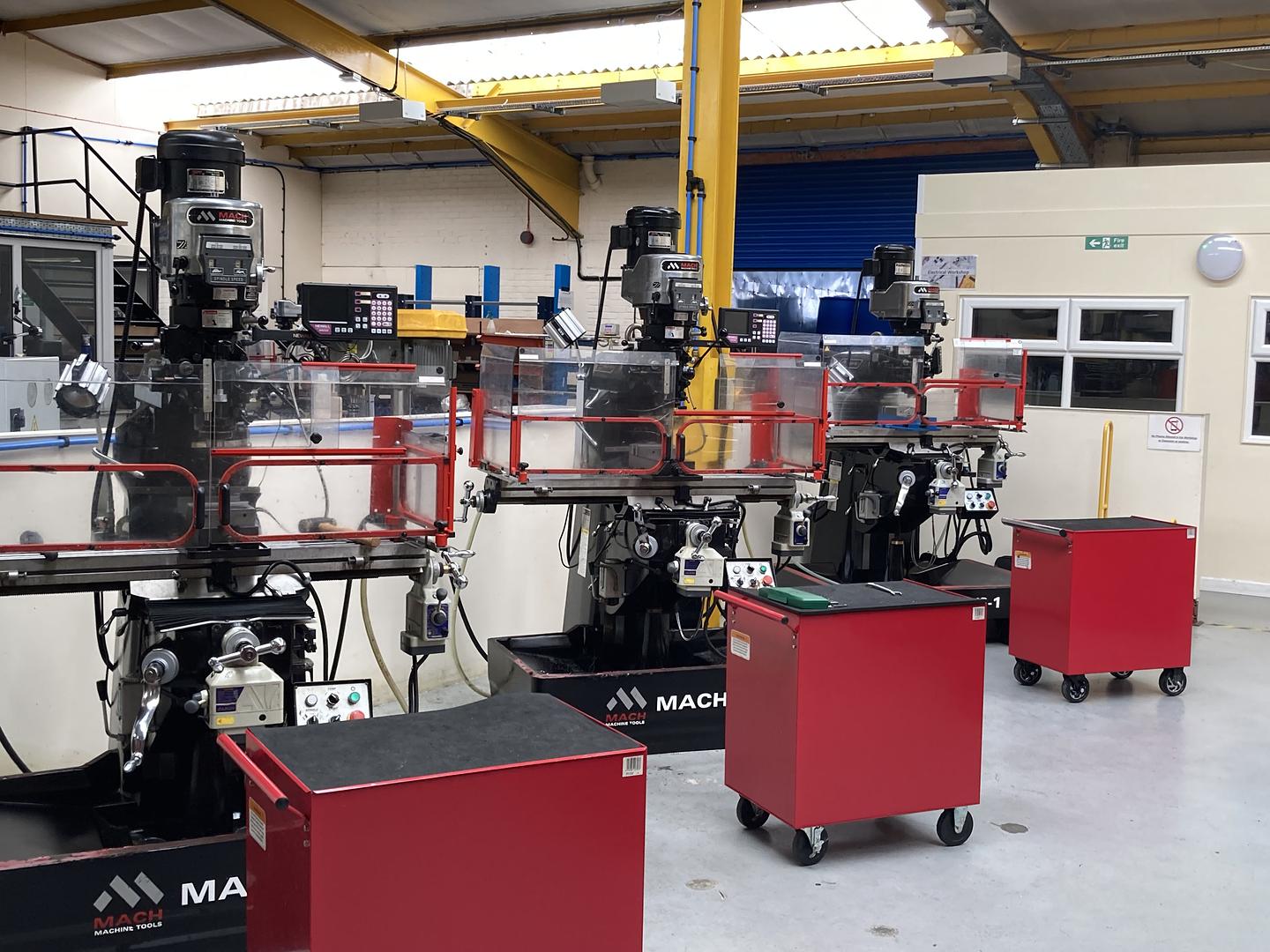
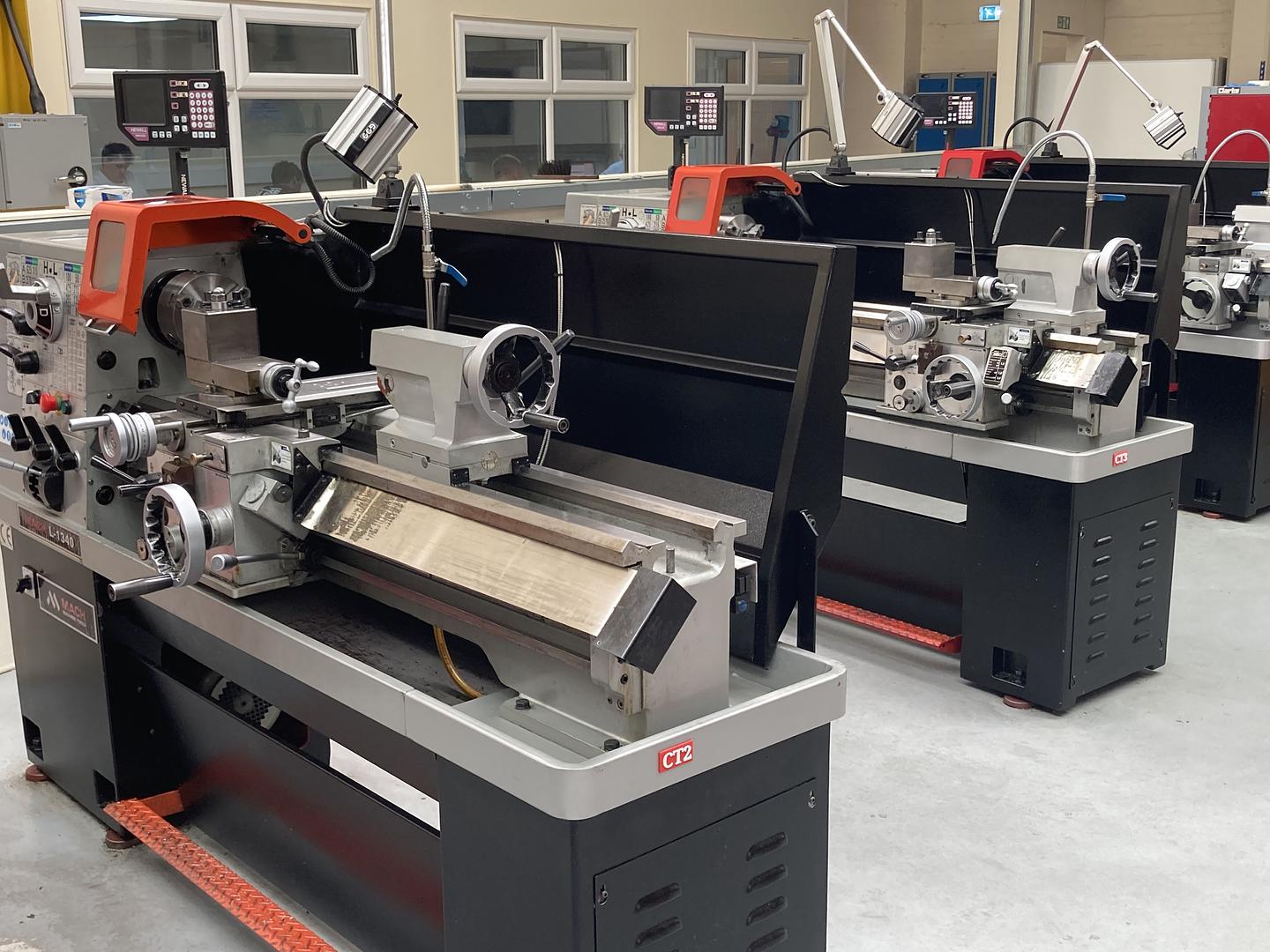
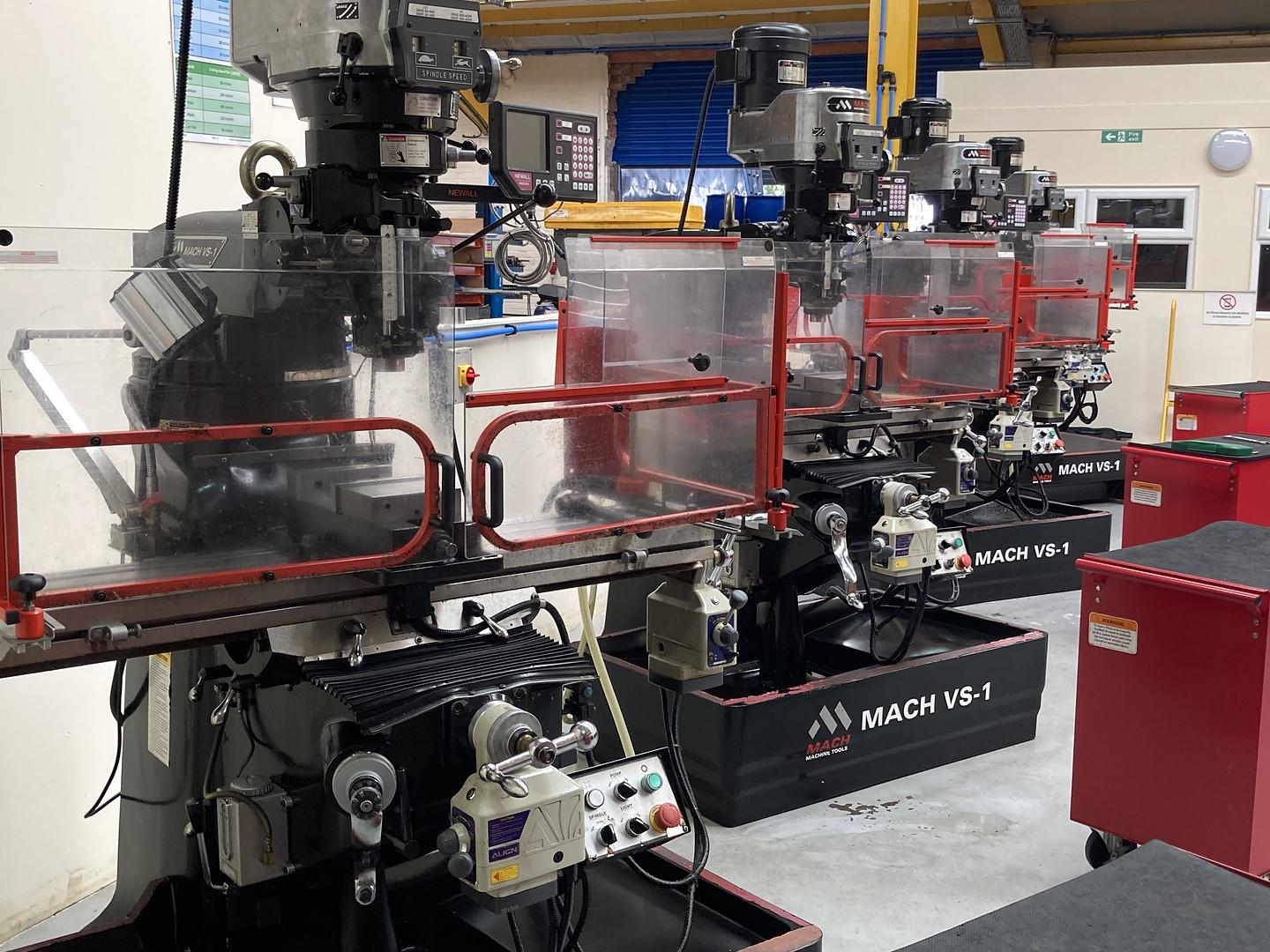
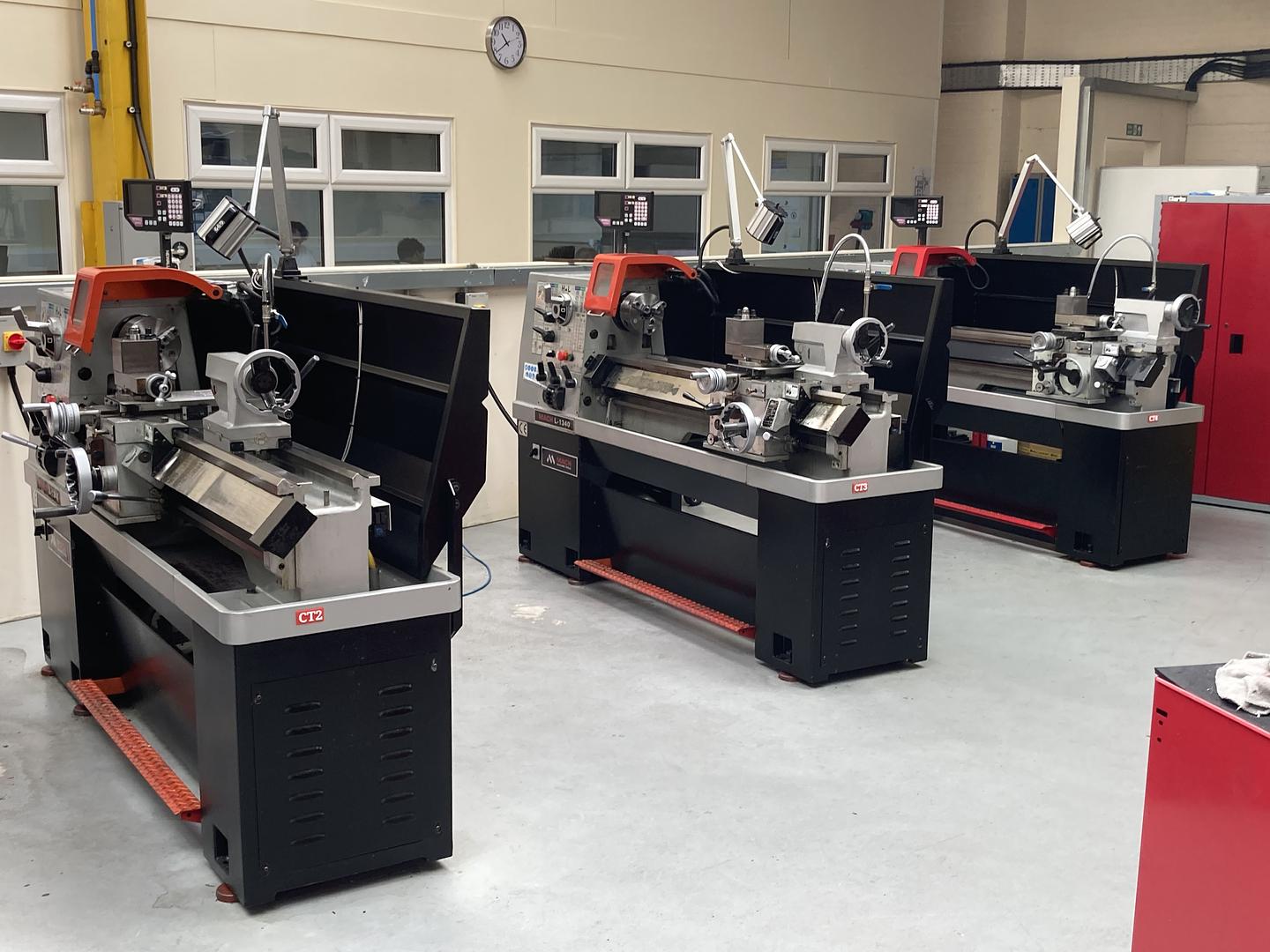
The machines, six MACH L-1340 lathes and five MACH VS-1 mills, are all installed at BEMA’s dedicated training centre in Yate, South Gloucestershire – an impressive and purpose-built education and training facility, operated in partnership with Swatpro Academy, that helps Level 2 and Level 3 Engineering apprentices acquire practical, industry-relevant and transferable machining skills, and provide them with access to, and experience in, working on manual machines widely used across a number of engineering and manufacturing industries and sectors.
The apprenticeship programmes delivered by Swatpro and supported by BEMA in conjunction with respective member companies (i.e., local employers) are four years long.
In their first year, apprentices attend the BEMA training centre, full-time, for 10 months (September to July) and, following a two-week induction period, begin a structured training schedule that is split into six, 6-week blocks.
Each of these blocks is further divided into three, providing apprentices (every six weeks) with two weeks of turning, two weeks of milling and two weeks of fitting (i.e., assembly, using hand tools and bench work etc.).
Says Andrew Dunster, Lead Workshop & Commercial Training Instructor and Assessor:
“Our turning, milling and fitting training modules, which also include inspection and regular reviews and assessment of every apprentice’s performance and progress, are practical and skills-based.
“After completing these training modules, apprentices will have achieved a level of technical competency across all three technology disciplines that can be further developed and honed when they go back to their respective employers to complete the second, third and fourth years of their apprenticeship programmes.”
MACH manual lathes and milling machines are used by the apprentices, in their first year, to machine a number of high-accuracy parts and components made from a range of different materials i.e., mild steels, alloyed steels, aluminium, brass, plastics etc.).
Specific parts machined on the L-1340 lathes and VS-1 mills have a functional, work-holding angle/bias and include thread vices, receiver (Go/No Go) gauges, location plates, V-blocks, toolmakers’ clamps and vices.
“Our apprentices are effectively machining functional tools that they can use as opposed to machining a series of parts with abstract features,” says Andrew Dunster.
To machine these parts within the requisite timeframes allowed and to the geometric tolerances and surface finishes required, apprentices must be able to read, understand and interpret engineering drawings, and be able to safely set up the MACH lathes and milling machines to perform the range of machining tasks and operations required.
For turning, these operations these will include ID/OD turning, parting-off and grooving, facing, thread cutting, drilling etc., and with milling, specific operations will include face milling, end milling, drilling and boring etc.
Continues Andrew Dunster:
“MACH lathes and mills are accurate, reliable and easy to use.
“Furthermore, because they are competitively priced and are supplied with a range of technology options as standard (i.e., chucks, tooling packages, steadies etc.), as opposed to them being optional extras, MACH Machine Tools’ submissions to our tender invitations are invariably successful.”
This was the case in 2019 when MACH Machine Tools submitted its tender response to supply BEMA with six new manual machines – three MACH L-1340 lathes and three MACH VS-1 milling machines.
Explains Martin Wear, BEMA’s Centre Manager:
“MACH Machine Tools’ technical offering and the six machine tool investment package it recommended combined with the company’s knowledge and experience of, and in, the education and training sector, and its ability to provide additional value via its dedicated education and training sponsorship and support services, put MACH Machine Tools in the box seat and enabled it to ‘win’ the business.”
MACH machines – a closer look.
MACH VS-1 (Classic) mills
MACH VS-1 Classic manual mills are proven and popular and are a staple machining solution for many UK component manufacturers, toolmakers and educational organisations.
The machines have a rigid design and build and are equipped with large worktables (1219mm x 229mm), powerful (variable-speed) 5000rpm spindles and 2-axis DROs.
MACH L-1340 lathes
MACH L-1340 lathes are similarly popular and are used extensively across numerous industries and sectors.
These compact lathes are equipped with quick-change tool posts and tailstocks, and feature anti-vibration and stress relieved beds, backlash eliminators and 2-axis DROs.
Concludes Martin Wear:
“We currently have 11 MACH machine tools in our training centre.
“The machines are flexible and reliable, and play an important and integral role in helping us raise and develop the turning and milling skills levels of our apprentices.”
For further information please contact:
Matt Andrew
matt@machmt.co.uk
Tel: 0117 965 2706